Maybe you’ve wondered why a single glass ornament can cost several times more than a similar-looking mass-produced one. At first glance, the difference may not be obvious. Both can be made of glass and both can do the same job. The difference lies in how they were made.
With handmade Czech design, you’re not paying only for the finished product. You’re paying for time, experience, material, craft and the work of the people involved in making it. And that’s exactly why Czech design is worth a closer look.
Why can Czech design cost more?
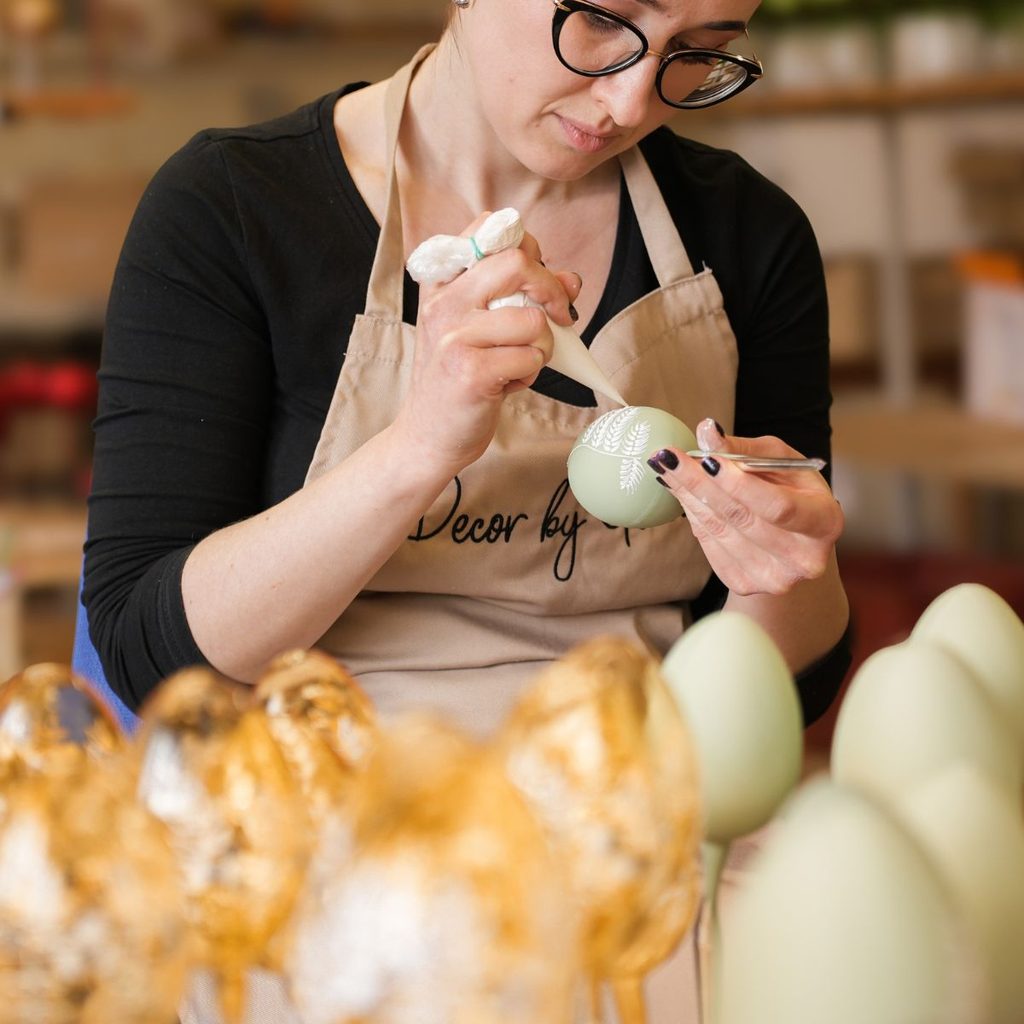
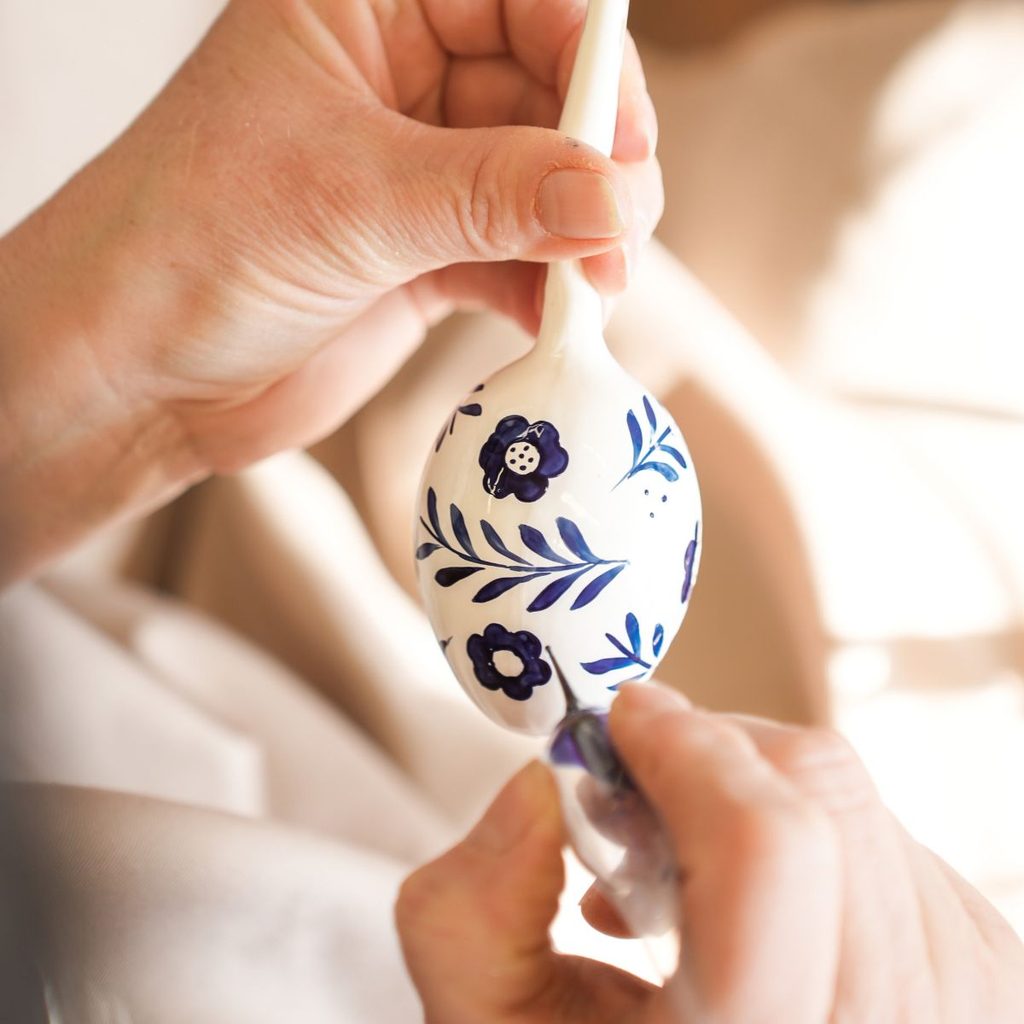
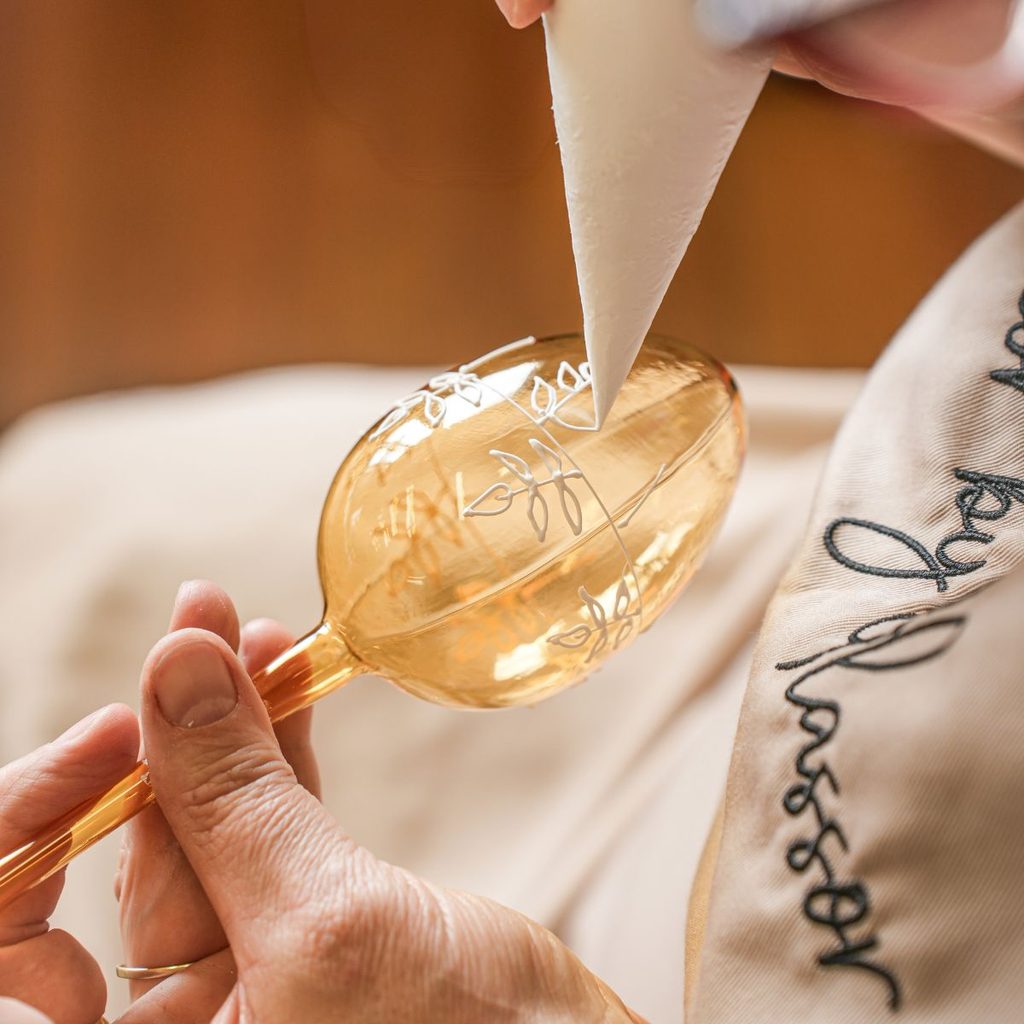
A handmade glass ornament isn’t made in an hour, and certainly not by a single machine from start to finish. Production moves through different stages, and several people work on the piece along the way.
The glass is blown by hand and then has to go through further production steps. Molten glass needs to cool gradually, and paint needs its time to dry. Only then can the piece move on. So a single ornament passes through several pairs of hands before it reaches its final form.
What’s more, in handmade production not every piece automatically succeeds. Glass is a delicate material, and at any stage an ornament can crack or be damaged in some other way. Such a piece never goes on sale, yet it still took time, material and the work of the people who made it. These losses are a natural part of handmade production and are reflected in its final price.
In handmade production, no two pieces come out perfectly identical, either. Small differences in colour, shape or decoration are a natural part of the process.
These are all things you may not see at first glance on the finished product. But they have their place in its price.
What are we actually buying?
When we buy a piece of Czech design, we’re not just buying an object.
We’re buying the work of the person who made it. The experience they’ve built up over the years. The material they know how to work with. The time production takes. And the chance for that craft to keep developing.
This matters most in fields closely tied to handwork. If there’s no demand for them, the room to develop them further and pass on experience can gradually disappear.
So Czech design isn’t just a question of aesthetics. It’s also a way of keeping alive skills that are often handed down from generation to generation.
Does tradition still have a place today?
Czech glassmaking is a good example of how tradition doesn’t have to mean being stuck in the past.
For decades, making Christmas ornaments was part of life in many Czech regions. Decor by Glassor grew out of exactly that kind of setting. In the region where the family behind the brand lives, Christmas ornaments were made in manufactories as well as in small home workshops. The craft was nothing distant. It was part of everyday life.
Out of this setting, the brand’s own production gradually took shape. Decor by Glassor decided to build on traditional handmade production while finding its own path. It began blowing glass into moulds and gradually developed its own technologies that make it possible to create even very specific shapes.
This, we believe, is where tradition meets contemporary design. The craft stays; the products can change.
And does Czech design have to be glass?
Definitely not.
Glass is Decor by Glassor’s natural foundation, but Czech craft offers far more room than that. That’s why the brand also works with other Czech makers and creators and includes their products in its range.
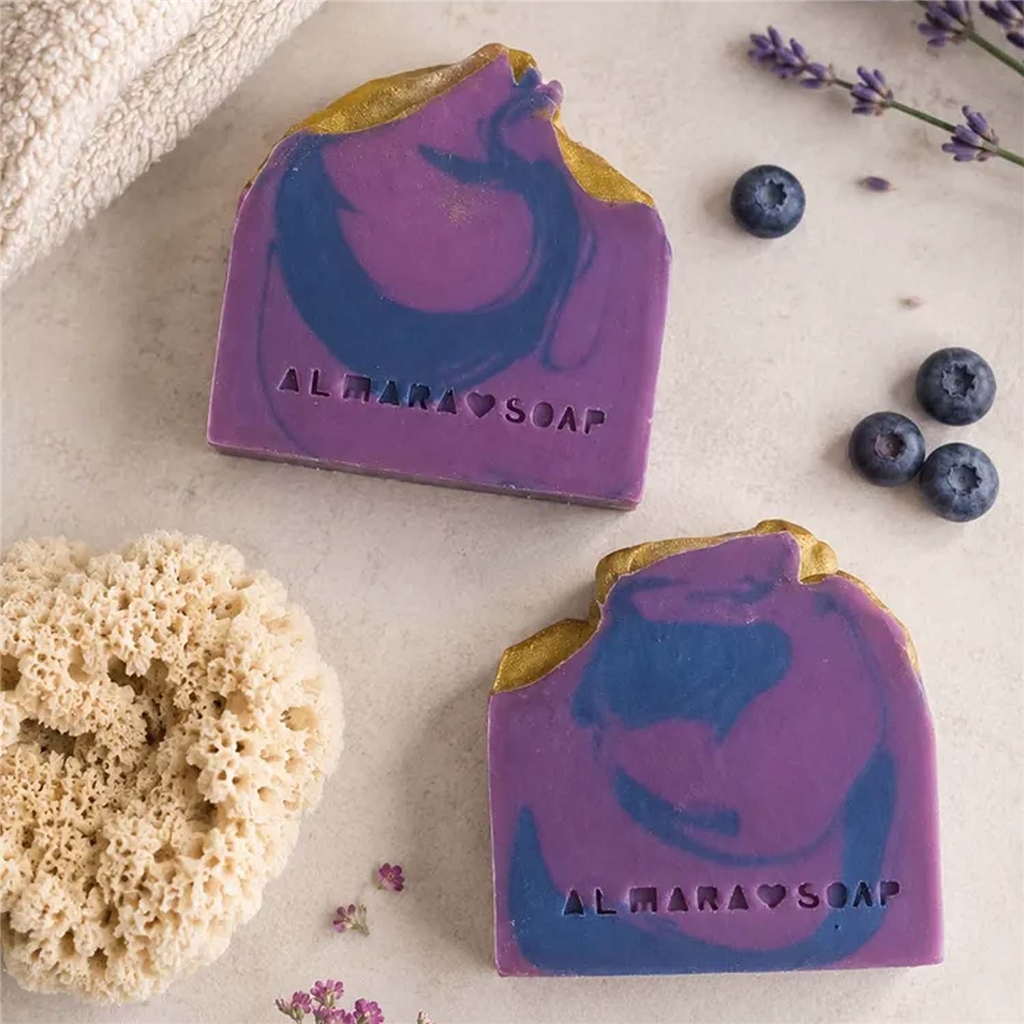
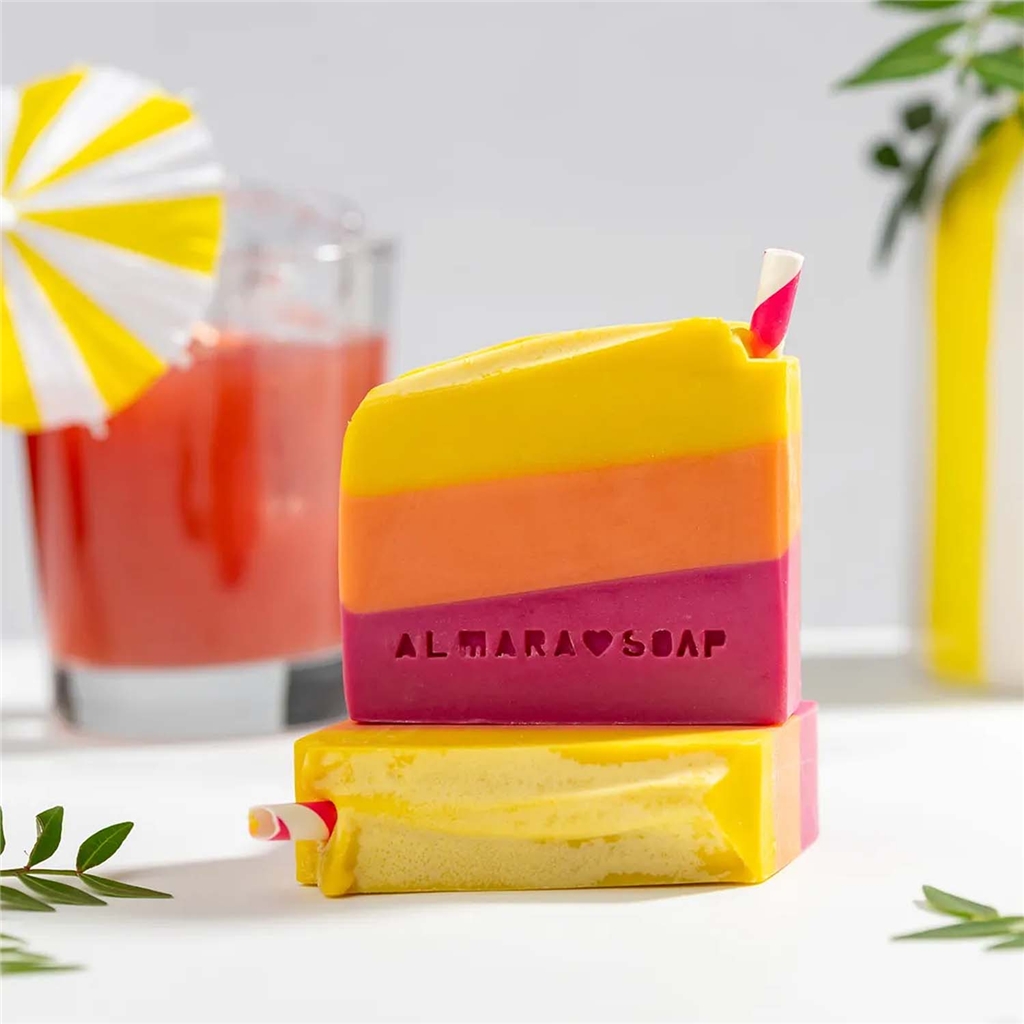
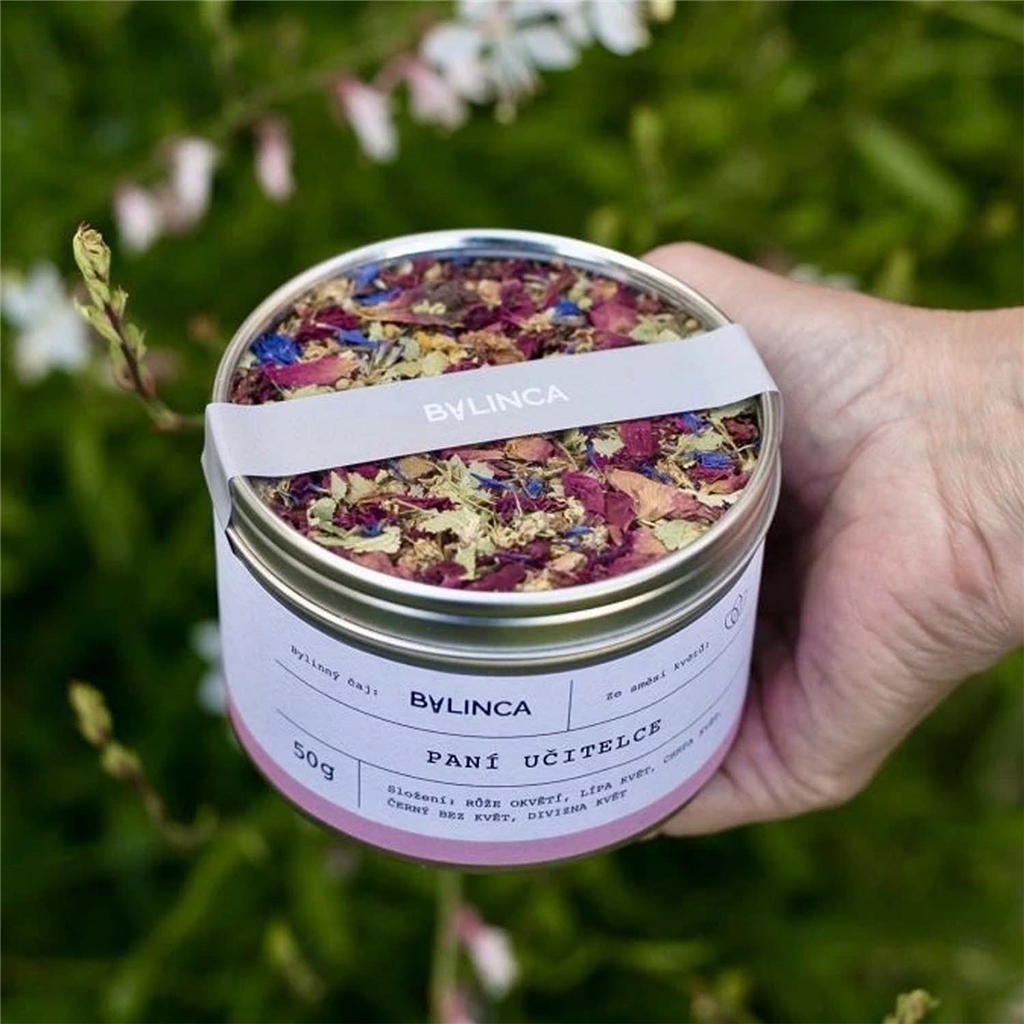
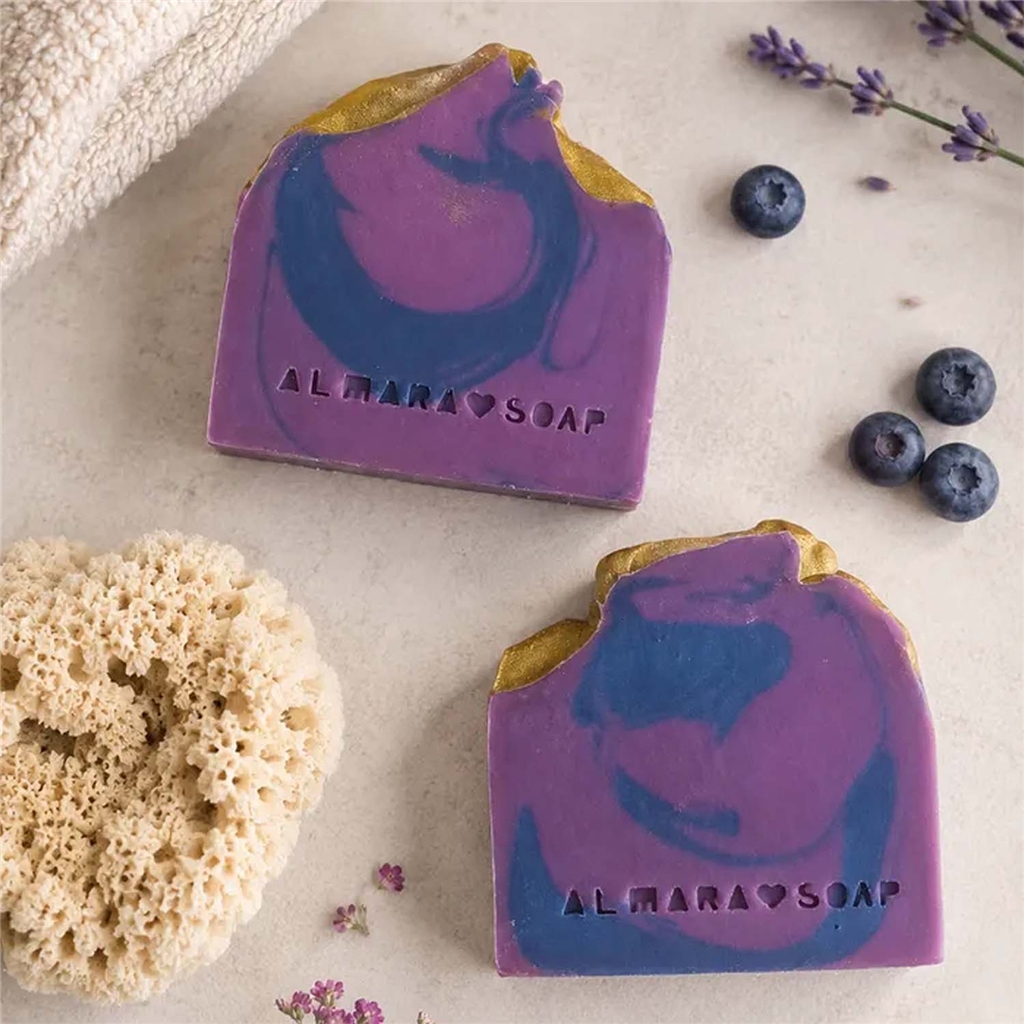
These include, for example, Czech soaps by Almara Soap and natural teas and candles by Bylinca. And that’s far from the full list of Czech products Decor by Glassor works with.
It makes sense from a broader perspective, too. Czech design isn’t one particular category or one material. It can take the form of a glass ornament, a candle, a soap, a tea or other products. What they can have in common is that there are real people behind them, their work and their relationship to what they create.
Why does Czech craft matter?
Because some crafts only survive if there’s genuine interest in them.
Experience doesn’t pass itself on. We need people who want to learn, makers who give them room, and customers who are willing to value their work.
That’s why buying Czech craft matters beyond the product itself. The money goes to specific makers, craftspeople and others involved in creating the product. It supports companies that can employ more people, develop their technologies and pass their experience on.
Another advantage of local and European production is a clearer picture of where a product comes from and who is behind it. It’s not only about the product itself, but about the whole chain of people and work behind it.
So why Czech design?
Maybe it’s not only about what we bring into our homes, but also about who and what we support with that purchase.
Behind Czech design is a craft with its own history. The people who master it, experience that is passed on, and time devoted to making things. Behind it, too, are materials, technologies, development and a great deal of work that may not be visible at first glance on the finished product.
So next time you’re choosing between a mass-produced item and a handmade Czech product, you don’t have to decide only on what looks cheaper at first glance. It’s worth looking at everything that lies behind its price, and at who made it.
Because when you choose Czech design, you’re not just buying a thing. You’re supporting people, their work and a tradition that can carry on because of it.
